
Blog

5 Signs of Carbon Monoxide Poisoning
According to the Centers for Disease Control and Prevention (CDC), carbon monoxide poisoning deaths spike during December, January, and February. Not…
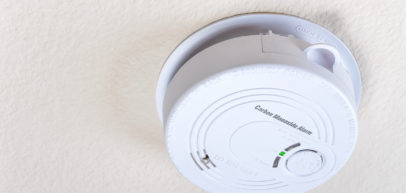
Family Safety and Carbon Monoxide Detectors
Because it seems like less of a risk in the summertime, it’s easy to forget about carbon monoxide detectors. In reality,…
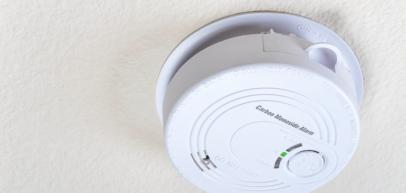
How Are Your Carbon Monoxide Detectors Working?
Most homeowners are careful about ensuring their smoke alarms are in place and working properly. But what about your carbon monoxide…
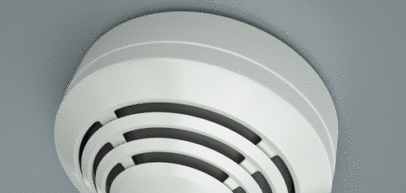
Why Carbon Monoxide Detectors are Important for Home Safety
It’s important to have carbon monoxide detectors in your home to keep occupants safe from exposure to this deadly gas. Carbon…
How To Choose And Use Your Carbon Monoxide Detectors And Smoke Alarms
Now that our short heating season is here in South Texas, it’s time to check your smoke alarms and carbon monoxide…
Indoor Air Quality Tips — Keeping Contaminants From Your Garage Out Of Your Home
Like many people on chilly mornings, perhaps you’re taking a few extra minutes to warm up your car with the overhead…
Carbon Monoxide Detectors vs. CO Poisoning
Each year approximately thousands of people have to go to the hospital for accidental carbon monoxide poisoning. In the United States,…
Use These Three Tips To Get The Most From Your Carbon Monoxide Detectors
Carbon monoxide is a dangerous, odorless, and tasteless gas that is released when natural gas furnaces, stoves or other forms of…
Affiliations and Awards





{"_type":"_","crb_badge_image":"4243","crb_badge_link":"","crb_badge_new_tab":true}



{"_type":"_","crb_badge_image":"4792","crb_badge_link":"","crb_badge_new_tab":true}


{"_type":"_","crb_badge_image":"4793","crb_badge_link":"","crb_badge_new_tab":true}