Refrigerant is the lifeblood of your air conditioning system and the vital chemical that keeps your house in cool comfort in hot weather.
Here are the basic steps in the A/C cooling cycle:
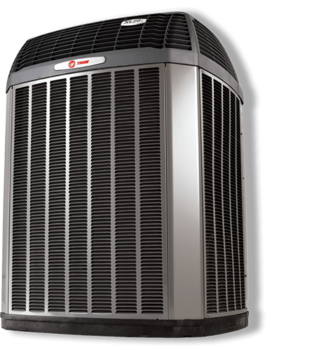
Cold, vaporous refrigerant flowing through the indoor evaporator coil extracts heat from household air passing through coil passageways. The warmed refrigerant flows through an insulated line to the system compressor in the outdoor condenser unit, which compresses heat molecules into a dense, hot gas. As the superheated gas enters the condenser coil and rapidly expands, the heat load extracted indoors is dispersed into outdoor air and the gas condenses into a liquid. Flowing back to the evaporator coil, the refrigerant is forced through the tiny orifice of an expansion valve that converts the hot gas back to a frigid vapor, ready to absorb more heat from household air.
Three important things to know about refrigerant:
Refrigerant has chameleon-like properties to convert from a frigid vapor to a hot liquid and back again during the circular cooling cycle.
- R-22, the standard refrigerant for decades, is being phased out and will become unavailable by 2020. Its replacement, R-410A, is now standard in all new A/C units. As R-22 becomes obsolete, it will become increasingly scarce and expensive to use in older air conditioners that need repair. Eventually, existing units must be replaced by new models that utilize R-410A.
- Low refrigerant charge almost always indicates a leak. Air conditioners don’t “use up” refrigerant the way a high-mileage car uses oil and requires addition of another quart now and then. If an A/C has a low refrigerant level, leak detection and repair by a qualified professional is required to resolve the problem.
- To schedule maintenance or service to check and replace refrigerant in South Texas, contact CCAC.
Our goal is to help educate our customers in Corpus Christi, Texas about energy and home comfort issues (specific to HVAC systems). For more information about your HVAC system, download our free Home Comfort Guide or call us at 361-678-2495.

Helpful Information For You And Your Home

We Put Our Customers First
At Mathews CCAC, we understand the importance of having safe and reliable appliances and systems in your home. Our local experts understand the unique challenges and weather that Texas properties face. From indoor air quality testing to water leak repairs, we deliver the necessary services and knowledge to keep your systems functioning correctly and efficiently. Trust us with your HVAC, electrical, and plumbing needs and benefit from:

Trane Comfort Specialists

100% Satisfaction Guaranteed