A GFCI outlet that will not reset can interrupt a bathroom, kitchen, garage or patio routine. It can also be doing exactly what it was designed to do: prevent power from returning when a problem remains. The cause might be a loss of incoming power, a connected appliance, moisture, a wiring problem or a failed device. The reset button alone cannot tell you which one it is.
For Corpus Christi and Coastal Bend homeowners, the useful next step is to identify what stopped working and whether there are warning signs. Mathews CCAC provides outlet and light switch services to diagnose the problem and explain the appropriate repair.
What a GFCI Does and What a Failed Reset Means
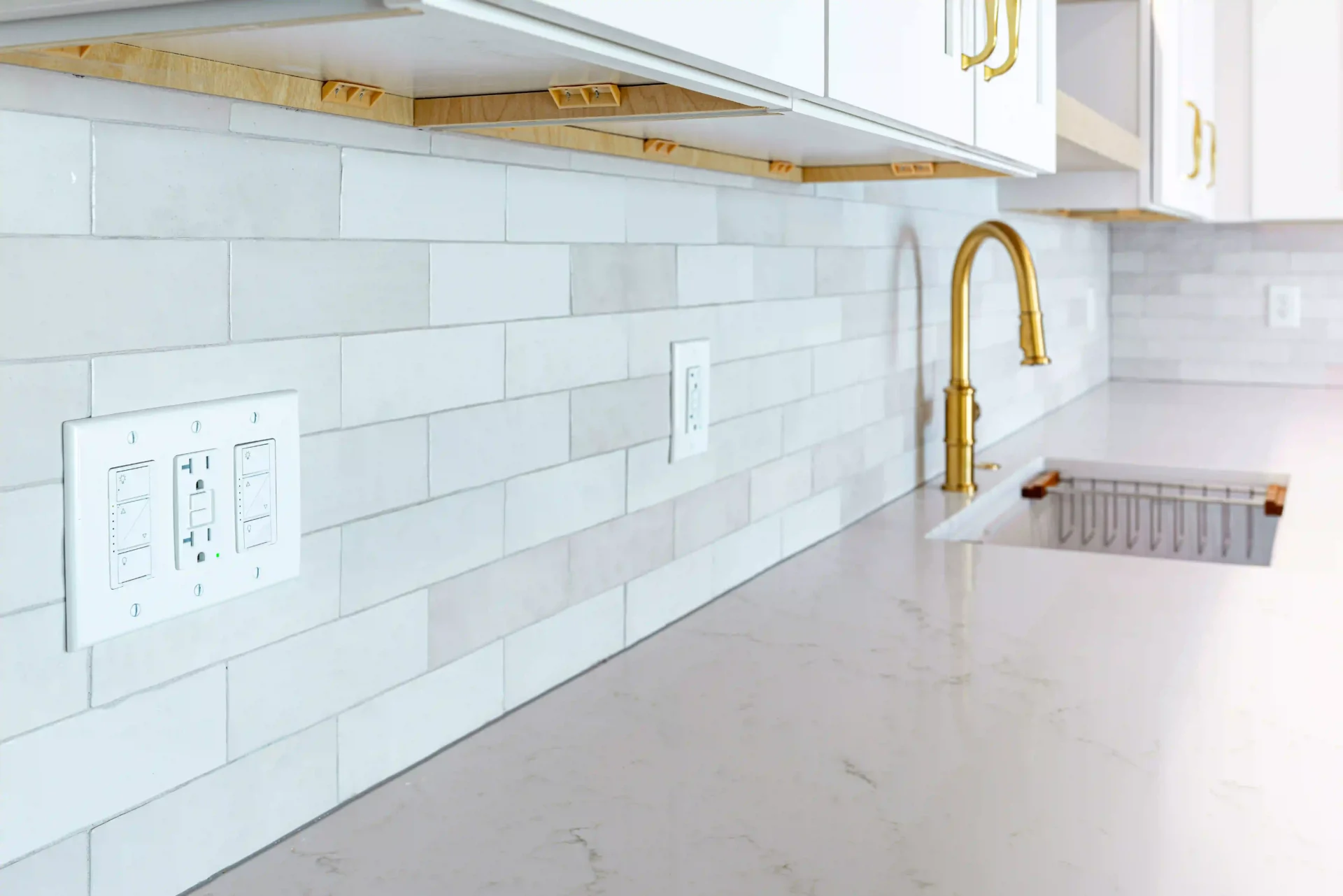
A ground-fault circuit interrupter (GFCI) compares the electrical current flowing through a circuit with the current returning from it. If the amounts differ, it quickly shuts off power to help protect people from electric shock. This protection is particularly important where electrical equipment may be exposed to water.
Some GFCIs include a reset lockout feature. Leviton explains that its lockout prevents a reset when the device cannot provide ground-fault protection or when wiring and power conditions are incorrect. That means a button that will not stay in does not automatically mean the outlet itself needs replacement.
Why Your GFCI Outlet May Not Reset
Power Is Not Reaching the Device
A tripped breaker, an upstream protective device or a supply connection problem can leave the receptacle without incoming power. Certain GFCIs cannot reset in that condition. Notice whether the problem affects one outlet, several outlets or a larger part of the house, and tell the electrician what you found.
A Ground Fault Is Still Present
The fault may involve something plugged in or wiring elsewhere on the protected circuit. One GFCI can protect additional receptacles, so the cause may not be at the outlet with the buttons. A device that trips again immediately needs diagnosis rather than repeated reset attempts.
Moisture or Physical Damage Needs Attention
For an outdoor outlet, note whether the problem started after rain, irrigation or washing the area. Inside, mention any nearby plumbing leak. Do not touch wet electrical equipment or assume it becomes safe as soon as its exterior dries. Water intrusion, corrosion, a damaged cover or other deterioration warrants professional evaluation.
The Device or Its Installation Has a Problem
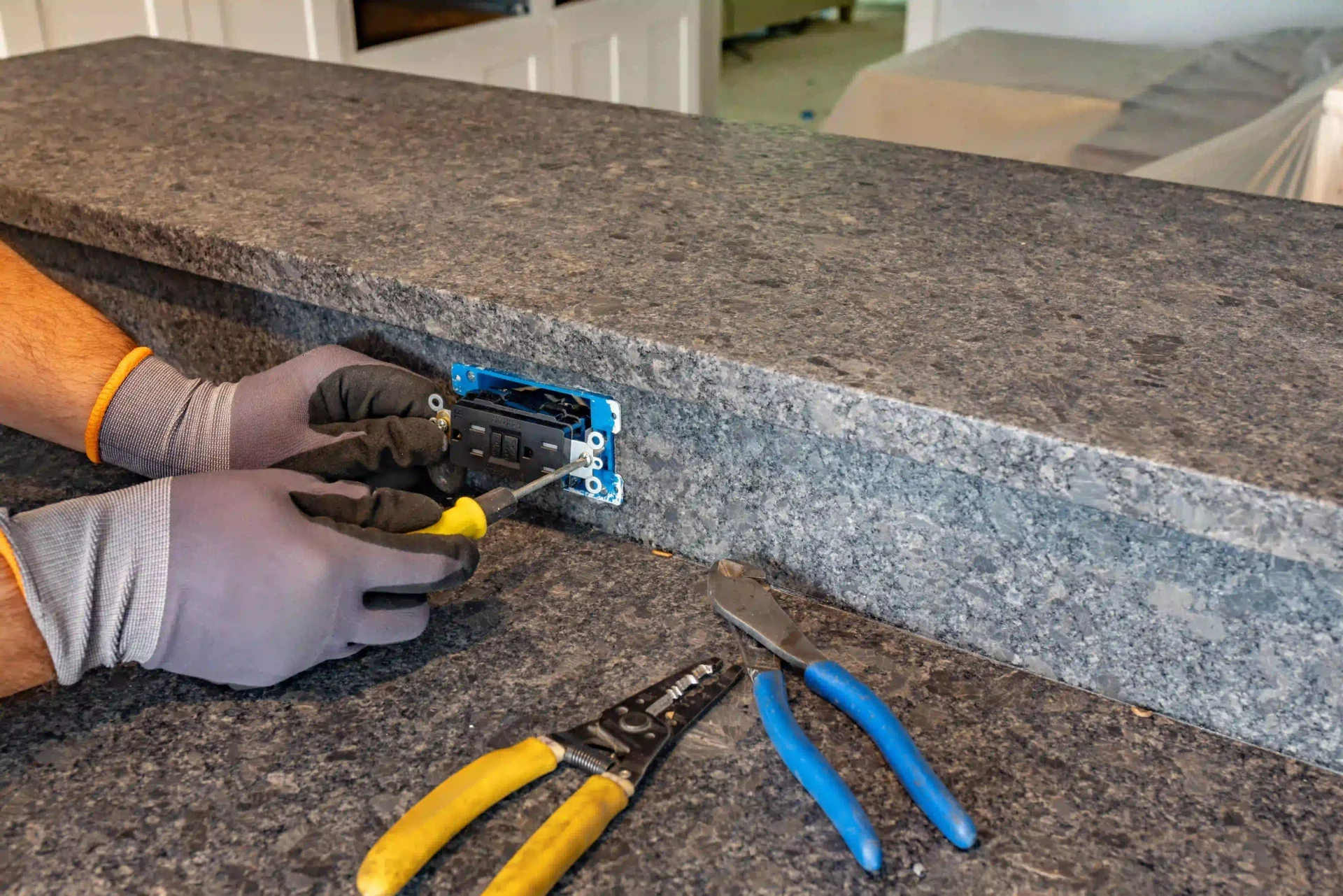
If the issue began after an outlet replacement, renovation or other electrical work, share that history. Incorrect connections or a damaged device can prevent normal operation. Diagnosing those possibilities requires electrical testing; removing the receptacle and rearranging wires is not a homeowner troubleshooting step.
What You Can Check Without Opening the Outlet
Start with observation. If you see scorching, smell burning, hear crackling, feel a shock or notice water around electrical equipment, stop using the affected area and seek help. For smoke or fire, leave the home and call 911.
If everything is dry and there are no signs of damage, you can unplug accessible appliances from the affected receptacles without opening covers or touching wiring. Follow the device manufacturer’s instructions for a normal reset. If it refuses to reset or trips again, stop. Do not hold the button in, bypass protection or move a suspect appliance to another outlet to keep using it.
Indicator lights vary by manufacturer and model. Record the light color or pattern for your electrician, but do not treat a particular color as universal proof that an outlet is safe. Keep any model instructions that came with the device.
When to Call an Electrician
Schedule electrical troubleshooting and repair when the GFCI will not reset after a normal attempt, repeatedly trips, has visible damage or stopped working after water exposure. A recurring problem deserves attention even if power occasionally returns on its own.
Before the appointment, note the outlet’s location, which other receptacles are affected, what was running when the problem began and whether recent electrical work or a leak preceded it. You do not need to know the cause before calling.
Does the Outlet Need Replacement?
Replacement may be appropriate when the device is damaged or no longer functions correctly. If the problem is an appliance, an upstream connection or circuit wiring, replacing the GFCI alone may leave the underlying issue unresolved. An electrician can assess the circuit, identify the cause and test the protection after the work is complete.
Ask what the proposed work addresses and whether the estimate includes diagnosis, parts and any additional repairs. If other outlets or switches also show problems, mention them when arranging service so the visit can be planned appropriately.
Get Help With a GFCI Outlet in the Coastal Bend
A nonworking outlet is inconvenient; uncertainty about its protection is the bigger reason to have it checked. Mathews CCAC serves Corpus Christi and surrounding communities, including Portland, Ingleside, Aransas Pass and Rockport. Request electrical service or call (361) 235-3905 to discuss the symptoms and appointment availability.

Helpful Information For You And Your Home

We Put Our Customers First
At Mathews CCAC, we understand the importance of having safe and reliable appliances and systems in your home. Our local experts understand the unique challenges and weather that Texas properties face. From indoor air quality testing to water leak repairs, we deliver the necessary services and knowledge to keep your systems functioning correctly and efficiently. Trust us with your HVAC, electrical, and plumbing needs and benefit from:

Trane Comfort Specialists

100% Satisfaction Guaranteed