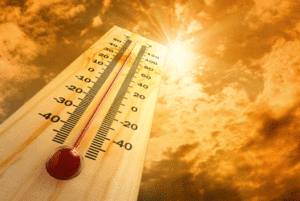
 In Corpus Christi, we’re always looking for ways to lower our summertime utility bills. Even with newer, more efficient air conditioners, electricity bills are usually higher than we’d like in the cooling months. One way to make homes more energy efficient without spending a lot of money is to prevent heat gain, also known as solar gain. Here are some ways that heat gain affects your home and how to deal with it.
Sources of Heat Gain
Heat gain in the home occurs through four basic means. Conduction is heat moving through a solid object, such as a wall or ceiling; this accounts for 19 percent of all heat gain. Infiltration, which averages 13 percent of total heat gain, is when warm outside air or moisture filters through holes or gaps, say, around a door or window, and cooler, drier air filters out. Radiation, generating 48 percent of solar gain, is direct or indirect sunlight through a window, skylight or glass door. People, appliances and lighting in the home’s interior generate 14 percent of heat gain.
Controlling Heat Gain
Windows are the foremost source of heat gain. Control it with plastic window film, or close shades and blinds in the heat of the day. Plant trees and shrubs to cover windows that get the most sun.
Heat conducted through walls and ceilings can be controlled by installing insulation with the correct R-value for our climate and painting exterior walls a light color.
Prevent infiltration of warm, moist air as well as the escape of conditioned air by caulking around windows, and penetrations from the outside such as pipes, wires and electrical boxes. Apply weatherstripping around doors and insert foam gaskets in exterior wall switches.
Cut down on interior heat gain by avoiding heat- and moisture-generating activities such as cooking and running the dishwasher and clothes dryer during the hottest part of the day.
For more on how to prevent heat gain, contact CCAC. We’re your Corpus Christi experts in air conditioning, heating, insulation and indoor air quality.
Our goal is to help educate our customers in Corpus Christi, Texas about energy and home comfort issues (specific to HVAC systems). For more information about heat gain and other HVAC topics, download our free Home Comfort Resource guide.
Credit/Copyright Attribution: “VladisChern/Shutterstock”
Helpful Information For You And Your Home

We Put Our Customers First
At Mathews CCAC, we understand the importance of having safe and reliable appliances and systems in your home. Our local experts understand the unique challenges and weather that Texas properties face. From indoor air quality testing to water leak repairs, we deliver the necessary services and knowledge to keep your systems functioning correctly and efficiently. Trust us with your HVAC, electrical, and plumbing needs and benefit from:

Trane Comfort Specialists

100% Satisfaction Guaranteed