When your water bill jumps but you haven’t filled a pool or watered the lawn more than usual, it’s worth finding out where the extra water went. A hidden water leak can run for days without leaving a puddle, but a higher bill can also come from a longer billing period or a change in rates or fees. Start by comparing how much water you used, then check whether water is moving through the meter when nothing should be running.
Check whether you used more water or just paid more
Pull up your current bill and a recent one. Compare the water usage and the number of days in each billing period, not just the final dollar amount. If one bill covers more days, divide the usage by the number of days on the bill for a fair comparison. Think about guests, extra irrigation or other changes that could explain the difference. If usage stayed about the same but the cost rose, ask your water utility to explain the charges before assuming there’s a plumbing problem.
Check the meter when no water is running
If you can safely see your meter, note the reading before and after two hours when nobody uses water, as EPA WaterSense recommends. Don’t flush toilets, run laundry or use faucets during that window, and pause automatic water uses such as irrigation or an ice maker. If the reading rises, look for a leak or something you missed that used water. If you can’t safely view the meter, ask your utility what usage information it can provide. A steady reading also doesn’t rule out leaks that happen only when a fixture or appliance runs.
Check toilets, outdoor fixtures and supply lines first
A toilet can leak into the bowl without making much noise. Put a few drops of food coloring in the tank, wait about 10 minutes without flushing, then look for color in the bowl. If it shows up, water is getting past the tank seal. Flush right after the check to avoid staining. Look for moisture around visible supply connections under sinks, near the washing machine and around outdoor faucets, and look for unexpectedly wet ground near irrigation heads.
Know when the clues point to a hidden pipe
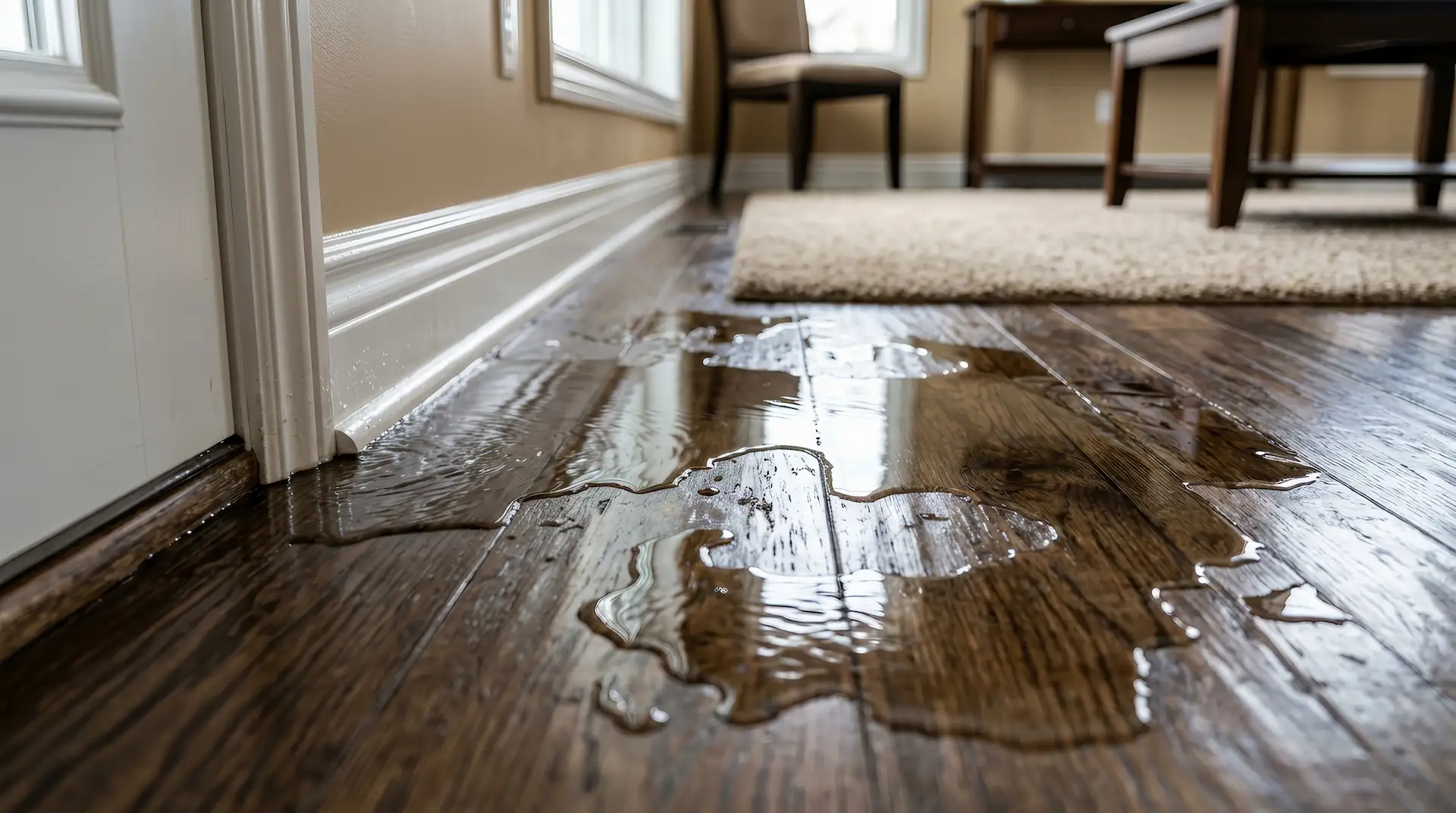
If the meter moves when everything is off and the usual fixtures don’t explain it, the leak may be in a supply pipe you can’t see. Damp baseboards, discolored drywall or an unexplained warm area on a floor over a slab are clues worth sharing with a plumber. No one clue proves where a pipe is leaking or that you have a slab leak. A plumber can narrow down the source and help you decide what needs repair before you open a wall or floor.
When to call for leak detection in Corpus Christi
If the meter keeps moving, moisture is spreading or the usage spike remains unexplained, schedule water leak detection and repair with Mathews CCAC. Have your bills or meter readings handy and tell the plumber when you first noticed the change. If water is actively flooding your home and you can safely reach your home’s main shutoff, turn it off and call for help right away.

Helpful Information For You And Your Home

We Put Our Customers First
At Mathews CCAC, we understand the importance of having safe and reliable appliances and systems in your home. Our local experts understand the unique challenges and weather that Texas properties face. From indoor air quality testing to water leak repairs, we deliver the necessary services and knowledge to keep your systems functioning correctly and efficiently. Trust us with your HVAC, electrical, and plumbing needs and benefit from:

Trane Comfort Specialists

100% Satisfaction Guaranteed