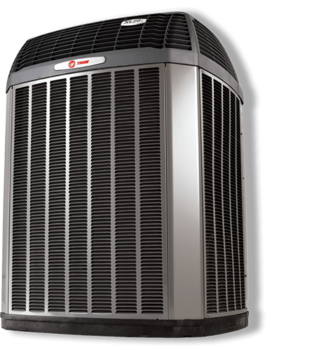

Air conditioning is in high demand at this time of year in the Coastal Bend. So, the question of properly conditioning your accessory structure may arise. From HVAC maintenance to choosing the right AC unit and features for your outbuilding, several issues will impact your pocketbook and the quality of living for the occupants. Below is what you need to know.
Selecting the Right HVAC System
Choosing the right HVAC system for your accessory structure is the first step for many years of maximum cooling and heating efficiency. Don’t let your HVAC contractor oversize the unit, which is a common mistake. Choose a contractor who can help you decide between a central HVAC unit or a ductless mini-split system.
For example, if you are conditioning just one or two rooms in your outbuilding, a ductless mini-split may well be your best option. It’s sleek, has a smaller footprint, and runs whisper-quiet. A larger central AC unit with a zoning system may be your better choice for larger accessory structures and structures with multiple floors.
Regular Maintenance Is a Necessity
Your HVAC unit just needs a little TLC once in a while to run more efficiently for your accessory structure and to get the most years between unit changes. One of the simplest DIY maintenance requirements that is often overlooked is changing the air filter.
For ductless mini-splits, remove the filter and lightly brush it clean with a soft brush. For central units at your accessory structure, keep several filters on hand and change them according to manufacturer specs, which is typically about every three months (perhaps each month during the summer and when there’s everyday usage).
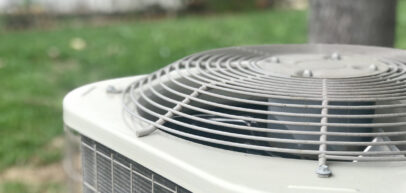
Another simple task is keeping the area clear around the outdoor compressor and condenser unit at your accessory structure. Don’t let vegetation get out of hand, and keep a distance of three or more feet from other items, such as fencing or garbage bins, to maximize free and clear airflow.
Lastly, choose your HVAC contractor wisely when it comes to helping you select the right HVAC unit for your accessory structure. For the best service in South Texas, contact CCAC.
Helpful Information For You And Your Home

We Put Our Customers First
At Mathews CCAC, we understand the importance of having safe and reliable appliances and systems in your home. Our local experts understand the unique challenges and weather that Texas properties face. From indoor air quality testing to water leak repairs, we deliver the necessary services and knowledge to keep your systems functioning correctly and efficiently. Trust us with your HVAC, electrical, and plumbing needs and benefit from:
Trane Comfort Specialists

100% Satisfaction Guaranteed