Tropical Storm Bertha Is in the Gulf — Here’s What Coastal Bend Homeowners Should Do Now
Tropical Storm Bertha is moving across the Gulf, and coastal communities from Corpus Christi to Port Aransas, Rockport, and Padre Island should use the time before landfall to prepare their homes. Storms that track along the Texas coast bring heavy rain, storm surge, and power outages that can damage HVAC equipment, electrical systems, and plumbing if homes aren’t ready. A little preparation now can prevent expensive repairs later.
Here’s a room-by-room guide to protecting your AC system, electrical panel, and plumbing before the weather turns, plus how to schedule a pre-storm inspection with our team.
Protect Your AC & HVAC System Before the Storm
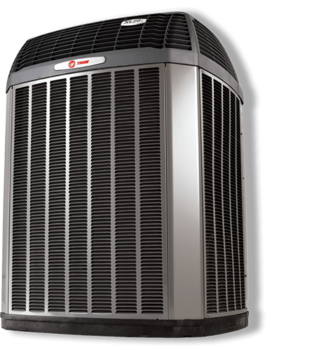
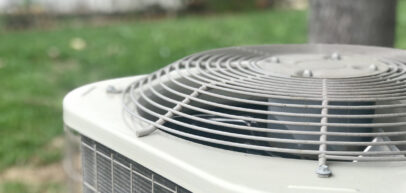
Outdoor AC units are exposed to wind, flying debris, and flooding during coastal storms. Power surges from lightning strikes or grid fluctuations are also one of the most common causes of AC failure after a storm.
- Turn off your AC unit at the breaker before the storm arrives if a direct hit or prolonged outage is expected — this protects the compressor from power surges when electricity is restored.
- Secure or remove loose patio furniture, potted plants, and debris near the outdoor condenser unit.
- Cover the condenser unit only with a breathable cover designed for HVAC equipment — never with plastic sheeting, which traps moisture.
- After the storm, don’t restart your system until you’ve confirmed there’s no standing water around the unit and the power supply is stable.
A whole-home surge protector adds a layer of protection for your AC system and other appliances against the power spikes that are common during storms and when utility power is restored.
Electrical Safety: Surge Protection & Backup Generators
Storm-related power surges and outages are one of the biggest risks to a home’s electrical system along the Gulf Coast. Taking a few precautions now can protect your equipment and keep your household running if the power goes out.
- Have your electrical panel inspected for loose connections, corrosion, or signs of wear before storm season stress-tests it.
- Install a whole-home surge protector to shield your AC system, appliances, and electronics from voltage spikes.
- Consider a backup generator so essential systems — refrigeration, sump pumps, medical equipment, and lighting — keep running through an extended outage.
- Keep flashlights, batteries, and a charged phone power bank on hand in case of an outage.
Current offers: Take advantage of $100 Off Whole Home Surge Protection and $2,000 Off New Generator installation while you prepare — both are available now through our team.
Plumbing & Sewer Precautions for Heavy Rain and Storm Surge
Heavy rainfall and storm surge can overwhelm municipal sewer systems in low-lying coastal areas, pushing wastewater back into homes if backflow protection isn’t in place.
- Install or inspect a backflow prevention valve to keep sewage from backing up into your home during heavy rain or sewer surcharging.
- Check that your sump pump (if you have one) is functioning and consider a battery backup in case of a power outage during the storm.
- Clear gutters, downspouts, and yard drains so rainwater moves away from your foundation instead of pooling near it.
- Know the location of your main water shut-off valve in case flooding affects your plumbing lines.
Schedule a Pre-Storm Inspection
The best time to catch a vulnerable AC unit, an aging electrical panel, or a missing backflow valve is before the storm — not after. Our team can inspect all three systems in one visit and get any needed protection installed while Tropical Storm Bertha is still offshore.
Call (361) 235-3905 to schedule a pre-storm inspection before Tropical Storm Bertha moves closer to the coast. Our team can check your AC unit, electrical panel, and plumbing system, and walk you through the $100 Off Whole Home Surge Protection and $2,000 Off New Generator offers while there’s still time to install before the storm arrives.
Helpful Information For You And Your Home

We Put Our Customers First
At Mathews CCAC, we understand the importance of having safe and reliable appliances and systems in your home. Our local experts understand the unique challenges and weather that Texas properties face. From indoor air quality testing to water leak repairs, we deliver the necessary services and knowledge to keep your systems functioning correctly and efficiently. Trust us with your HVAC, electrical, and plumbing needs and benefit from:

Trane Comfort Specialists

100% Satisfaction Guaranteed