Hurricane season on the Coastal Bend runs through November 30. Hurricane Isaias activity in the Gulf is a good reminder to plan for an outage while the skies are still clear. A storm does not have to make landfall to cause trouble. Strong winds and heavy rain can still knock out power in Corpus Christi, Portland, Rockport and the islands.
At Mathews CCAC, we help homeowners get ready before the weather turns. A whole-home generator is the heart of that plan. Your AC, plumbing and electrical systems need attention too.
Why Backup Power Matters on the Gulf Coast
South Texas heat and humidity do not let up just because the power goes out. Without electricity, your home loses:
- Air conditioning and dehumidification
- Refrigeration for food and medications
- Power for medical equipment
- Lights, Wi-Fi and phone charging
- Security systems and garage doors
An outage can last a few hours or several days. A generator keeps your household running while you wait for crews to restore service.

How a Whole-Home Generator Works
A whole-home standby generator is installed permanently outside your home. It runs on natural gas or propane. When the grid fails, an automatic transfer switch detects the outage, and the generator starts within seconds. You do not need extension cords, refueling runs or manual setup.
Sizing matters. The right generator depends on what you want to power, including the startup load of your air conditioner. Our team assesses your home first so the system fits your needs.
Installation is a professional job. A licensed plumber connects the fuel line, and our electricians tie the generator into your electrical panel. We handle permitting and testing so your system is ready when you need it. Installation takes planning, so start before a storm is in the forecast.
Save $2,000 on a New Whole-Home Generator
Right now, Mathews CCAC is offering $2,000 cash back on a new whole-home generator on select systems. Mention the offer when you schedule your consultation.
Restrictions apply. Call for details.

Already Have a Generator? Check It Now
Do not wait for an outage to find out your generator will not start. Before storm season peaks:
- Make sure the unit runs its regular exercise cycle
- Look for warning lights or error codes
- Clear plants and debris from around the unit
- Confirm your fuel supply
If something seems off, schedule generator repair or maintenance. We test batteries, check fuel lines and inspect electrical connections.
Prepare the Rest of Your Home
- Protect your electronics. Power surges often come with storms and restored power. Whole-home surge protection protects your appliances and devices.
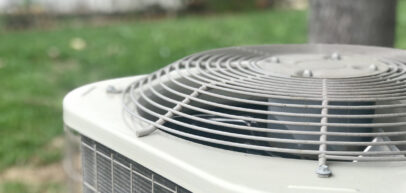
- Get your AC ready. Clear debris from around your outdoor unit. Schedule repairs for weak cooling or strange noises before the weather turns.
- Find your water shutoff. Make sure every adult in the home knows where it is.
- Watch for electrical warning signs. Breakers that keep tripping or lights that flicker need a professional look.
- Build a household kit. Stock water, food, flashlights, batteries, medications and pet supplies.
Follow local emergency alerts at all times. A generator is never a reason to ignore an evacuation order.
Portable Generator Safety
If you use a portable generator, keep it outdoors and at least 20 feet from your home. Point the exhaust away from windows and doors. Never run one in a garage, even with the door open. Install working carbon monoxide alarms. Never plug a portable generator into a wall outlet. This “backfeeding” can electrocute utility workers and damage your home.
After the Storm
Stay away from downed power lines and standing water. If your AC, electrical equipment or generator was flooded or damaged, leave it off. Have a professional inspect it before you use it. Our emergency electrical team is available 24/7.
Get Your Home Storm-Ready With Mathews CCAC
Do not wait until the next outage catches you off guard. Call Mathews CCAC at (361) 235-3905 or request service online. Ask about $2,000 cash back on a new whole-home generator.
Helpful Information For You And Your Home

We Put Our Customers First
At Mathews CCAC, we understand the importance of having safe and reliable appliances and systems in your home. Our local experts understand the unique challenges and weather that Texas properties face. From indoor air quality testing to water leak repairs, we deliver the necessary services and knowledge to keep your systems functioning correctly and efficiently. Trust us with your HVAC, electrical, and plumbing needs and benefit from:

Trane Comfort Specialists

100% Satisfaction Guaranteed