The bathroom is ready for guests, but the toilet keeps refilling long after the last flush. Sometimes a handle jiggle quiets it; sometimes the sound returns a few minutes later. A running toilet often needs a repair inside the tank, not an entirely new fixture. The right choice depends on where the water is escaping, the condition of the toilet and whether earlier repairs solved the problem.
Mathews CCAC provides bathroom plumbing services for Corpus Christi and nearby Coastal Bend communities. An assessment before company arrives gives you time to address the cause and decide whether repair or replacement makes sense.
Why a Toilet Keeps Running After You Flush
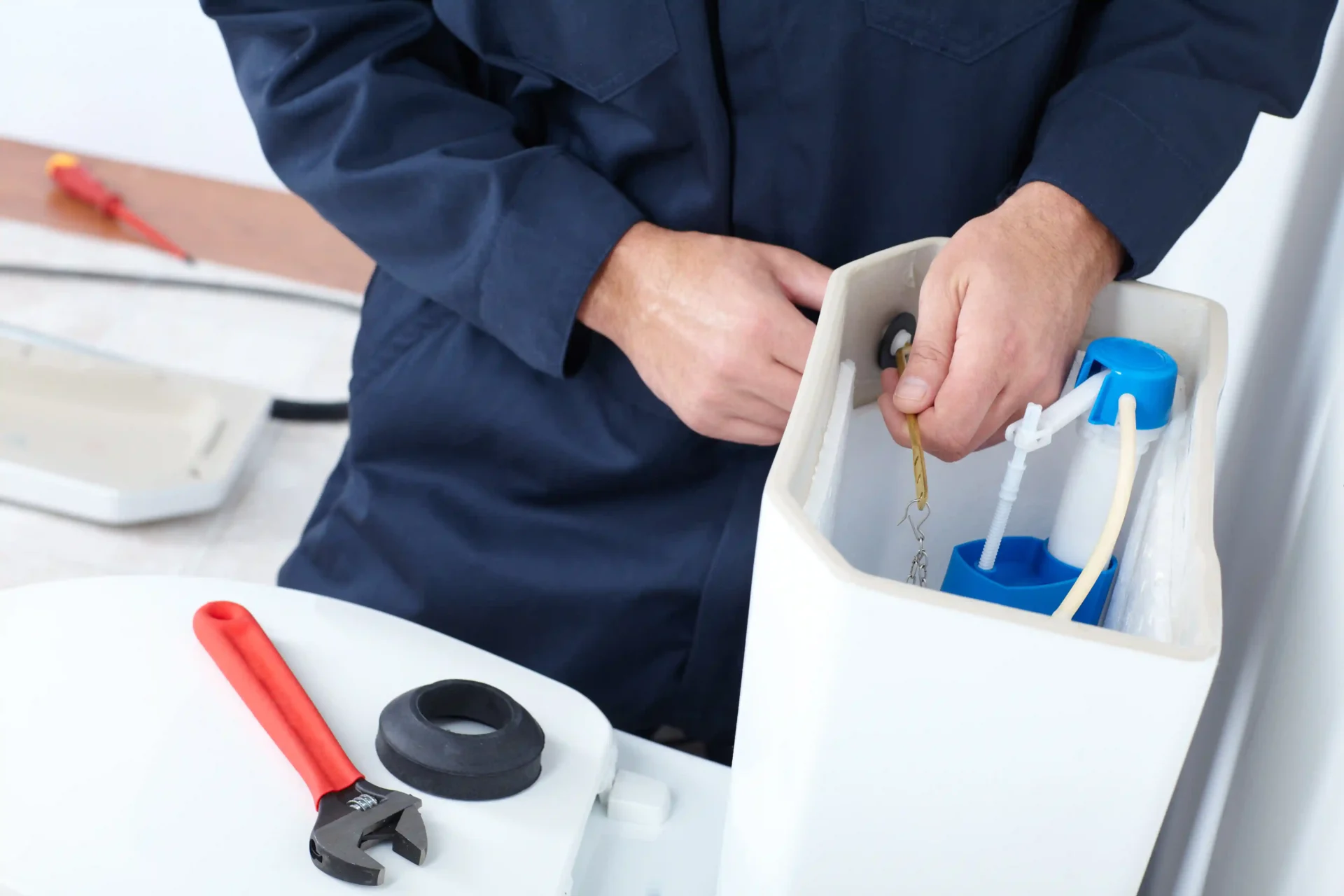
A typical tank-style toilet releases water into the bowl when you flush, then refills to a set level. A seal must close properly and the fill valve must stop the incoming water. When either part of that sequence fails, you may hear continuous running or occasional refilling even though nobody has used the toilet.
A Worn Flapper or Flush-Valve Seal
The seal at the tank outlet can allow water to escape into the bowl. As the water level falls, the fill valve opens to replace it. Toilets use different flushing mechanisms, so the replacement part must match the model rather than simply look similar.
A Handle or Chain That Does Not Return Properly
A sticking handle or chain that interferes with the seal can keep the tank outlet partly open. If moving the handle changes the sound, that is useful information for the plumber. It is not a lasting repair if the problem returns with the next flush.
A Fill Valve or Water-Level Problem
Water may continue entering the tank when the fill valve does not shut off correctly. A water-level setting problem can also send water into the overflow tube. The sound alone does not identify the faulty part; the refill cycle and water level need to be checked together.
Simple Observations That Help Identify the Problem
Notice whether the toilet runs continuously, refills at intervals or only misbehaves after certain flushes. Look for water on the floor and report it separately: a leak outside the toilet is different from water passing from the tank into the bowl.
For a standard gravity tank that you can safely access, the EPA recommends a food-coloring test: add a few drops to the tank and wait 10 minutes without flushing. Color appearing in the bowl indicates a leak. Flush immediately afterward to help avoid staining. Handle the heavy tank lid carefully, and follow the manufacturer’s guidance for any unfamiliar toilet mechanism.
If the bowl is rising or water is spilling onto the floor, stop flushing. Close the toilet’s accessible water-supply valve if you can do so safely and without forcing it. Call for help if the valve is stuck, leaking or fails to stop the water. Keep the fixture out of use until the problem is addressed.
When Repair Usually Makes Sense
Repair is often the practical choice when the porcelain is sound, the toilet is securely installed and a serviceable tank component is responsible. A plumber can check the flushing mechanism, refill operation and connections, then replace or adjust the affected parts as appropriate.
Ask whether the parts are compatible with your toilet and whether the estimate covers testing after the repair. The goal is a fixture that flushes, refills and shuts off consistently—not one that merely stops making noise for a few minutes.
There is no single age at which every toilet must be replaced. A well-functioning fixture with one worn component can be a better repair candidate than a newer toilet with a cracked tank or bowl.
When to Discuss Toilet Replacement
Replacement deserves consideration if the tank or bowl is cracked, compatible parts are difficult to obtain, or repeated properly diagnosed repairs make continued maintenance impractical. You may also want a different height, bowl shape or more efficient fixture.
When comparing options, ask about a WaterSense-labeled toilet. EPA certification covers both water efficiency and flushing performance. Actual savings depend on your current fixture and household use; a new toilet should not come with an assumed dollar-saving promise.
The installation estimate should account for the toilet, removal of the existing fixture, needed connection work and any separately identified flange or floor repairs. A rocking toilet or moisture around the base calls for inspection before assuming a new fixture will solve everything.
A Running Toilet and a Clogged Toilet Need Different Solutions
Running describes unwanted water flow or refilling. Slow drainage, a rising bowl or repeated backups can point to a separate drainage problem. If several fixtures are backing up, tell the plumber before the appointment rather than treating it as a tank-parts issue. Mathews CCAC also offers drain cleaning services when the symptoms call for a drainage assessment.
Plan the Repair Before Guests Arrive
When booking, explain which bathroom is affected, whether it is your only working toilet, when the running began and what has already been repaired. Don’t forget to ask about our current specials! If you have the toilet’s make or model, keep it available. Tell the team your guest-arrival date and confirm appointment and parts availability.
After service, use the toilet normally and check that refilling stops and no water appears around the base or supply connection. Addressing the issue ahead of time leaves room for any follow-up work the inspection identifies.
For a running toilet in Corpus Christi, Portland, Ingleside, Aransas Pass or Rockport, request plumbing service from Mathews CCAC or call (361) 235-3905. We can assess the problem and explain your repair and replacement options before you decide.
Helpful Information For You And Your Home

We Put Our Customers First
At Mathews CCAC, we understand the importance of having safe and reliable appliances and systems in your home. Our local experts understand the unique challenges and weather that Texas properties face. From indoor air quality testing to water leak repairs, we deliver the necessary services and knowledge to keep your systems functioning correctly and efficiently. Trust us with your HVAC, electrical, and plumbing needs and benefit from:

Trane Comfort Specialists

100% Satisfaction Guaranteed