
Why Lower the Cooling Load?
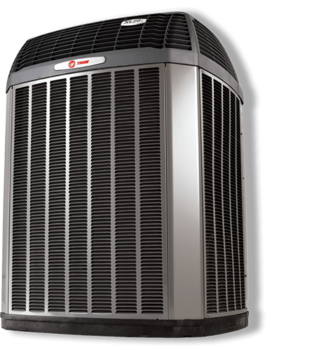
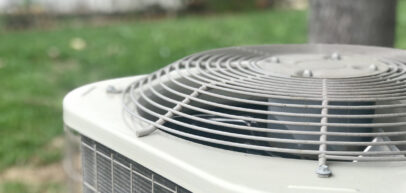
Your home’s cooling load is basically the amount of energy that your heat pump or central air system needs to consume to keep your home at a comfortable temperature. In addition to reducing the stress on your HVAC system, which helps save energy, minimize repairs and maximize service life, you may help promote better indoor-air quality (IAQ) and enjoy all the benefits during the winter.
Tighten Up Home Cooling
You may be surprised by the ease which you can reduce home cooling load. Though, home efficiency upgrades offer better benefits when professionally assessed and installed, you may be ready and willing to do many of the tasks yourself.
- Filter: Your HVAC filter is such a simple device considering the impact it has on HVAC efficiency. Make sure you change it as needed.
- Ceiling fans: Ceiling fans don’t actually change the temperature in your home. However, the wind-chill effect they create can help you turn up your thermostat and still remain comfortable.
- Window treatments: Shades, blinds, storm shutters or new energy-efficient drapes may substantially reduce heat gain in your home. Less heat gain, the lower your cooling load.
- Air sealing: Caulk, weatherstripping and a can of expanding spray-foam are the basic tools you need to seal air leaks in your home.
- Ducts: Leaky ducts make your heat pump work much harder. Seal leaks at duct joints with heat-resistant metal tape.
- Insulation: Attic insulation isn’t just for home’s in colder regions. Make sure you have up to R-60 — about 12 to 16 inches — of well-installed insulation in your attic.
Take a load off your A/C or heat pump this spring for better home cooling and HVAC efficiency all year long. Contact CCAC for expert service for your South Texas home!
Our goal is to help educate our customers in Corpus Christi, Texas about energy and home comfort issues (specific to HVAC systems). For more information about HVAC topics, download our free Home Comfort Guide or call us at 361-678-2495.
Credit/Copyright Attribution: “OpenClipart-Vectors/Pixabay”
Helpful Information For You And Your Home

We Put Our Customers First
At Mathews CCAC, we understand the importance of having safe and reliable appliances and systems in your home. Our local experts understand the unique challenges and weather that Texas properties face. From indoor air quality testing to water leak repairs, we deliver the necessary services and knowledge to keep your systems functioning correctly and efficiently. Trust us with your HVAC, electrical, and plumbing needs and benefit from:

Trane Comfort Specialists

100% Satisfaction Guaranteed