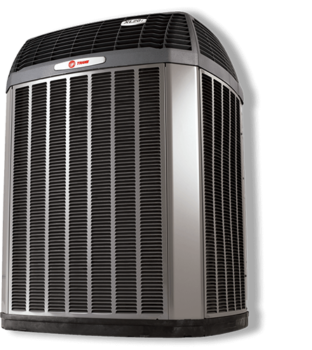
A surge strip behind the TV can be useful, but what about the air conditioner, refrigerator and other equipment throughout your home? Whole-home surge protection and plug-in surge strips cover different parts of the electrical system. For many Corpus Christi homeowners, using both provides a more complete plan than relying on either one alone.
Our storm-readiness guide covers backup power and preparing your home for an outage. This guide takes a closer look at surge protection: what each option does, where its limits are and what to discuss with an electrician before installation.
What Is a Power Surge?
A power surge is a brief rise in voltage above the normal level. Lightning and utility switching can cause surges, but they can also originate inside a home when large electrical loads switch on or off. Sensitive electronic components in appliances and home-office equipment can be damaged by these events.
A surge protective device, often called an SPD, limits a voltage spike by diverting surge current. Its performance depends on the device, the installation and the electrical system. It cannot promise that every appliance will survive every event.
Whole-Home Surge Protection: Coverage at the Panel
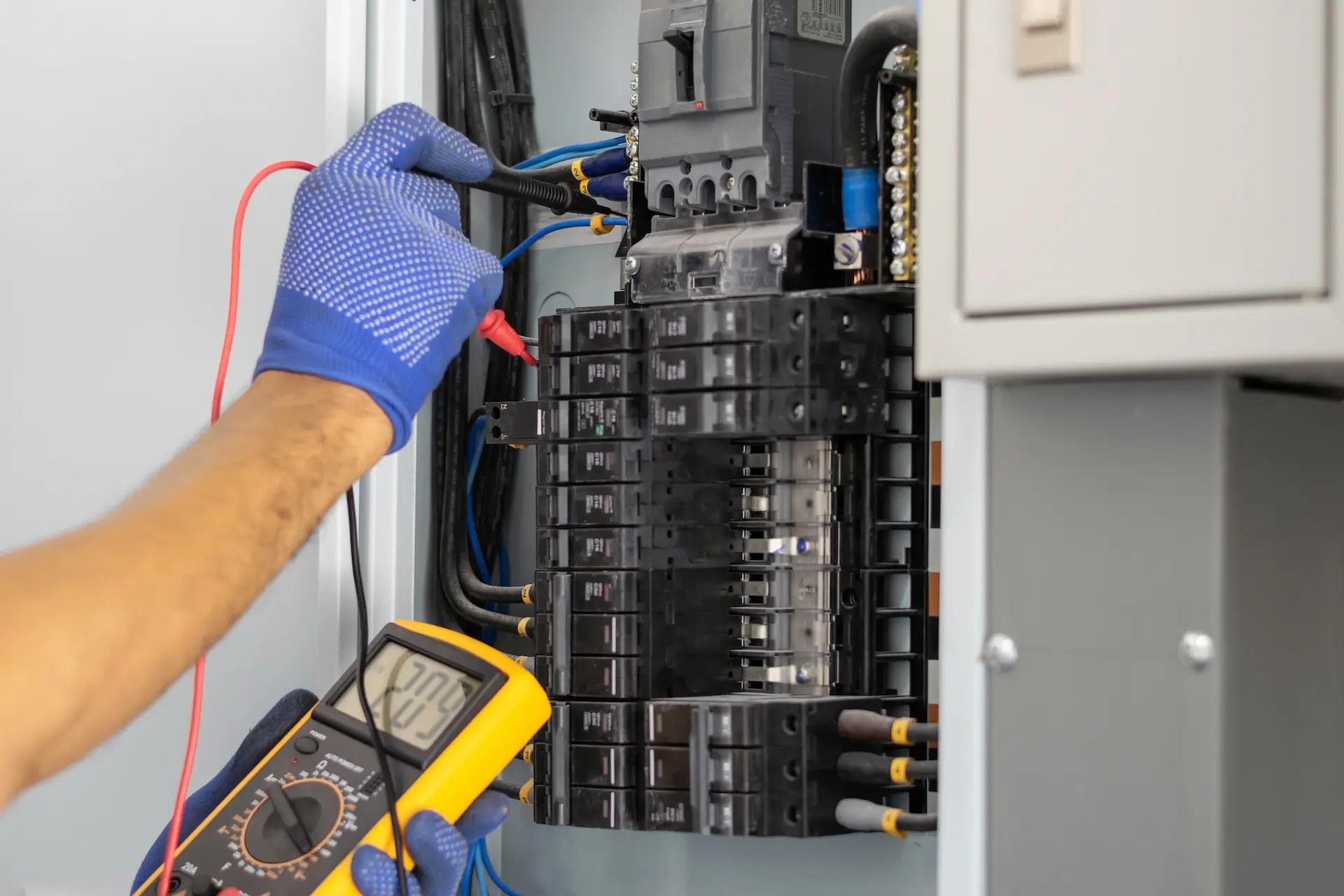
A whole-home surge protector is permanently connected at the service equipment or electrical panel, depending on its type and approved installation. It helps reduce surges reaching circuits throughout the home, including equipment that cannot use an ordinary plug-in strip.
That wider coverage matters when you are considering appliances with electronic controls, heating and cooling equipment, and devices spread across several rooms. A strip under one desk cannot provide that same coverage.
Mathews CCAC provides whole-home surge protection services in Corpus Christi. An electrician can assess the existing panel, grounding and bonding, then explain the suitable installation options. The product needs to match the home and its intended location, rather than simply have the largest number on the box.
Plug-In Surge Strips: Protection at the Device
A plug-in surge protector adds protection close to the equipment connected to it, such as a television, computer or entertainment system. It does not protect appliances elsewhere in the house. It also does not replace protection at the panel.
Check the product carefully: a basic power strip provides extra receptacles but may have no surge protection. The Electrical Safety Foundation’s surge-protection guide explains this distinction. Look for a product identified and listed as a surge protective device, and follow its instructions for the equipment you plan to connect.
- Use the required properly grounded wall outlet. Do not remove the grounding prong or use an adapter to bypass it.
- Follow the strip’s load limits and the appliance manufacturer’s instructions. Extra outlets do not increase a circuit’s capacity.
- Do not connect strips together or run their cords under rugs.
- Keep an eye on the protection-status indicator. A power light alone may only mean the outlets are energized.
Do You Need Both?
Often, yes. Whole-home protection provides a broad first layer, while an appropriate plug-in SPD adds protection near sensitive electronics. This is especially useful when a home has both hardwired equipment and valuable electronics at individual outlets.
The Electrical Safety Foundation describes point-of-use devices as an additional layer alongside permanently installed protection. These are commonly called Type 3 devices; permanently connected residential protection generally uses a suitable Type 1 or Type 2 device. The type describes the application, not a simple good-better-best rating.
For example, a home office may benefit from panel protection plus a compatible surge protector at the computer. If you also need time to save work when power fails, ask about a properly sized uninterruptible power supply, or UPS. Check its surge-protection specifications and connection instructions rather than assuming every battery-backup unit provides the same features.
What Surge Protectors Cannot Do
Surge protection does not keep the lights on during an outage. A generator or battery-backup system serves that separate purpose. A standby generator also does not automatically replace the need for a surge-protection plan.
Neither a panel SPD nor a plug-in strip is a repair for loose wiring, overloaded circuits or recurring breaker trips. Standard SPDs are intended for short voltage transients, not every prolonged overvoltage or low-voltage condition. The NEMA Surge Protection Institute explains these limits. Report recurring electrical symptoms separately so the cause can be assessed.
Protection also has limits during lightning events. The National Weather Service warns that typical surge protectors will not protect equipment from a lightning strike. If you plan to unplug electronics, do it before the storm arrives. Do not handle cords or electrical equipment during a thunderstorm.
Finally, electricity is not the only possible path into connected equipment. Cable, antenna or other conductive communication lines may need their own suitable protection. Ask the installer which connections are covered and which are outside the proposed system.
What to Ask Before Installation
Whole-home surge protection is work for a licensed electrician. Do not open a panel or try to add a device yourself. At the estimate, discuss:
- Compatibility: Which device is proposed, where will it be installed and is it suitable for the panel and electrical system?
- Installation details: Are grounding or bonding corrections, panel work, permits or an inspection needed?
- Scope: Which equipment and connections are covered, and where would point-of-use protection help?
- Scheduling: Will power need to be interrupted, and what access should be available?
- Aftercare: How do you check the status indicator, and what should you do if it signals a fault?
- Warranty: What exclusions, registration requirements and claim conditions apply?
If work on the panel is recommended, ask for a clear explanation and an itemized scope. Our electrical panel services can address panel-related needs identified during the assessment. Do not assume a full panel replacement is required simply because you want surge protection.
Check Protection After Installation
Keep the device model, installation date and manufacturer instructions with your home records. Learn the difference between its normal status and a warning indication. Follow the manufacturer’s inspection and replacement guidance, particularly after a significant electrical event.
Surge-protection components can wear out. Some products continue supplying power after their protective function is depleted, so working electronics do not prove the protection is still active. Have a panel-mounted device checked by an electrician if its indicator changes or you are unsure of its condition.
Build a Surge-Protection Plan for Your Home
Start with the equipment you want to protect and any devices already installed. Mathews CCAC can assess your home’s needs and explain whole-home and point-of-use options without treating a surge strip as a solution for every electrical concern.
For help in Corpus Christi and the Coastal Bend, request service from Mathews CCAC or call (361) 235-3905. You can also ask about current specials when scheduling your assessment.

Helpful Information For You And Your Home

We Put Our Customers First
At Mathews CCAC, we understand the importance of having safe and reliable appliances and systems in your home. Our local experts understand the unique challenges and weather that Texas properties face. From indoor air quality testing to water leak repairs, we deliver the necessary services and knowledge to keep your systems functioning correctly and efficiently. Trust us with your HVAC, electrical, and plumbing needs and benefit from:

Trane Comfort Specialists

100% Satisfaction Guaranteed