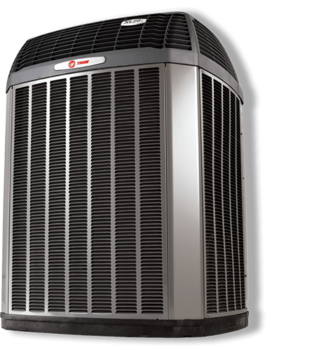
The heat pump’s flexibility makes it one of the most practical options for staying comfortable in any type of weather the Coastal Bend offers. Three heat pump cycles are necessary for your system to do its job. Knowing how each cycle works helps you understand your heat pump’s maintenance requirements and spot malfunctions that need attention.
- The heating cycle: During this cycle, your heat pump draws warmth from the outdoor air and transfers it into your home. The cycle starts in the outdoor unit, where liquid refrigerant flows through the expansion device and then into the outdoor coil. In heating mode, the outdoor coil works as the evaporator coil. As the fan pulls outdoor air over the coils, the refrigerant absorbs heat from the air and turns into a vapor. Next, the refrigerant vapor passes through the compressor, then to the indoor coil, which acts as the condensing coil. The indoor unit removes heat from the coils. The refrigerant condenses into a liquid and then flows back outside.
- The cooling cycle: In this cycle, the heat pump works in reverse, drawing heat from your home and releasing it outdoors just like a conventional air conditioner. This is possible, thanks to a device called a reversing valve, which reverses the refrigerant flow so the outdoor coil becomes the condenser, and the indoor coil becomes the evaporator.
- The defrost cycle: The only one of the heat pump cycles that doesn’t change your home’s temperatures, this cycle is still important for maintaining your heat pump’s efficiency. Under certain conditions in the heating cycle, moisture on the outdoor coil freezes, reducing the system’s efficiency. To defrost the coil, the heat pump switches into cooling mode, sending hot refrigerant to the frozen coil. The outdoor fan stops until the coil is thawed. A demand-defrost system, which defrosts only when necessary, is the most energy-efficient option.
If you’re having trouble with one of these heat pump cycles, or you’re considering installing a new system, contact CCAC, In Corpus Christi and throughout the Coastal Bend, we help homeowners meet their heating, air conditioning, dehumidification and insulation needs.
Our goal is to help educate our customers in Corpus Christi, Texas about energy and home comfort issues (specific to HVAC systems). For more information about heat pumps and other HVAC topics, download our free Home Comfort Resource guide.
Image courtesy of Shutterstock
Helpful Information For You And Your Home

We Put Our Customers First
At Mathews CCAC, we understand the importance of having safe and reliable appliances and systems in your home. Our local experts understand the unique challenges and weather that Texas properties face. From indoor air quality testing to water leak repairs, we deliver the necessary services and knowledge to keep your systems functioning correctly and efficiently. Trust us with your HVAC, electrical, and plumbing needs and benefit from:

Trane Comfort Specialists

100% Satisfaction Guaranteed