Can you reduce the environmental impact of your HVAC system? Many factors contribute to the total effect your cooling and heating system has on the environment. The age of the systems makes a difference. Complying with manufacturer recommendations for annual maintenance is another major factor. And the way you operate your AC or furnace also matters: Daily temperature settings and comfort preferences can increase or decrease your HVAC unit’s environmental impact. Other associated system elements like insulation and ductwork play a part as well.
Here are ways to reduce your HVAC unit’s impact on the environment while also keeping comfortable all year:
Schedule professional maintenance.
Preventative maintenance performed by a qualified HVAC service technician not only extends the service life of cooling or heating components and supports reliability, it also ensures that the system operates at its rated efficiency to reduce energy consumption on the grid (as well as lower your monthly costs). The air conditioner should be serviced during the summer while the furnace takes precedence in the fall.
Automate temperature control.
HVAC systems run most efficiently when temperature settings are uniform and steady. Frequent manual thermostat adjustments make indoor temperatures inconsistent and degrade efficiency, increasing costs and impacting the environment by consuming more energy. Upgrade to a programmable thermostat (or fully utilize the one you already have) to automate temperatures for optimum comfort control and efficiency.
Insulate the attic and seal ductwork.
Attics are a major source of summer heat gain and winter heat loss. Have your attic insulation checked to verify that it meets present Department of Energy specs for amount and quality. Residential ductwork usually becomes leaky over time and may lose 25% or more of conditioned air. An HVAC contractor can test ducts for leakage and offer sealing options.
Consider upgrading.
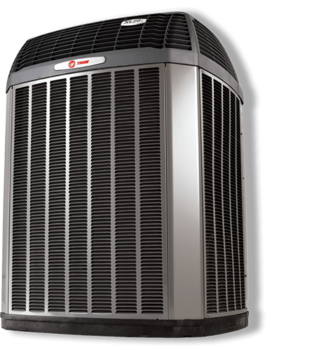
The average service life of a central AC is about 15 years, and that of a furnace is around 20 years. By replacing outdated units on time, you’ll stay current with today’s higher efficiency standards and also get improved cooling/heating performance while reducing your HVAC unit’s environmental effects.
For more suggestions about how to minimize the environmental impact of your HVAC unit, contact Mathews CCAC.
Helpful Information For You And Your Home
We Put Our Customers First
At Mathews CCAC, we understand the importance of having safe and reliable appliances and systems in your home. Our local experts understand the unique challenges and weather that Texas properties face. From indoor air quality testing to water leak repairs, we deliver the necessary services and knowledge to keep your systems functioning correctly and efficiently. Trust us with your HVAC, electrical, and plumbing needs and benefit from:

Trained Professionals

100% Satisfaction Guaranteed