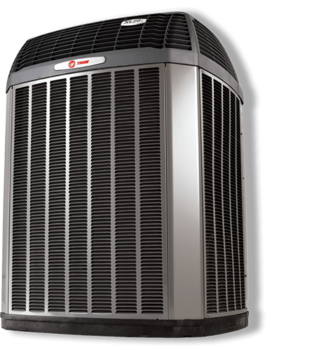

The Coastal Bend area is warm and humid. Given that, what’s the climate impact on the HVAC equipment that is typically sold in our region? You may not be aware that federal regulations dictate the level of efficiency for heating and cooling equipment that can be sold in the various regions of the country. In our southern region, we are required to sell equipment that is more efficient in the summer, while in the north, the focus is on equipment that is more efficient in the winter.
For instance, in our Southeast Region, split-system air conditioners must reach a SEER (seasonal energy efficiency ratio) of 14 or better. For heat pumps, 14 SEER is required for cooling and 8.2 HSPF (heating seasonal performance factor) for heating. Gas or electric furnaces must achieve an efficiency that’s expressed as annual fuel utilization efficiency, or AFUE, of 81%.
But that’s just one aspect of climate impact on HVAC equipment. Here are some others:
Humidity
With such high humidity in our region, we don’t generally need humidification equipment, but we do often require effective dehumidification. The HVAC system does a better job of removing moisture from the air if the air filter is changed regularly and if the evaporator coils are clean. In some cases, homeowners may opt for extra dehumidification equipment, either portable or whole-home, to assist the HVAC as it fights climate impact.
Salty Air
In our coastal region, climate impact includes salt spray, which can have a corrosive effect on the coils of the HVAC system. Those who live close to the coast may want to look into corrosion-proof units. You will also want warranties and insurance coverage with your equipment. You might also schedule salt rinses and cleanings for your equipment.
When installing HVAC equipment along the coast, it’s best to place it leeward of the house so the house can block the salty air. You should also have your unit checked regularly for climate impact on aluminum fins and condenser coils.
To learn more about climate impact on HVAC equipment, contact CCAC of Corpus Christi.
Helpful Information For You And Your Home
We Put Our Customers First
At Mathews CCAC, we understand the importance of having safe and reliable appliances and systems in your home. Our local experts understand the unique challenges and weather that Texas properties face. From indoor air quality testing to water leak repairs, we deliver the necessary services and knowledge to keep your systems functioning correctly and efficiently. Trust us with your HVAC, electrical, and plumbing needs and benefit from:

Trained Professionals

100% Satisfaction Guaranteed